Lion Roars are Individual Signatures for AI Monitoring
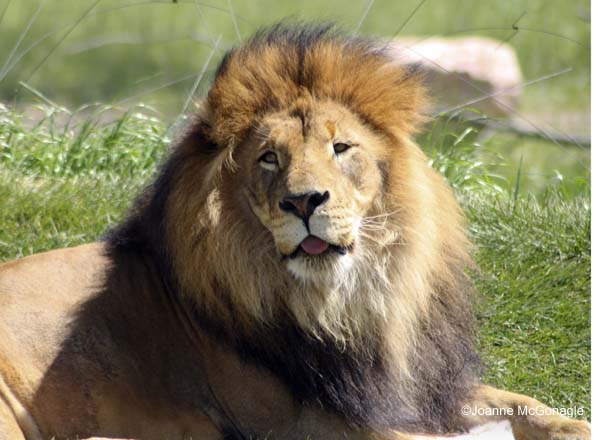
African lions have distinct roars, and AI might soon track lions without collars! When you hear an African lion roar, that sound feels like pure power rolling across the savanna. But to scientists, that same roar, is more than a dramatic soundtrack- it’s data! Fascinating new research found every African lion has a unique roar, almost like a vocal fingerprint.
This discovery could transform the way conservationists monitor lions in the wild. Instead of fitting the big cats with GPS collars-which require sedation, risk of injury, and can fall off-researchers may soon be able to identify and track lions simply by listening.
why Study aN African lion’s Roar?
African lions are under tremendous pressure from habitat loss, conflict with humans, and poaching. To protect them, scientists need to know how many lions there are, where they move, and how they use their territory. Traditionally, the meant fitting lions with radio or GPS collars- an effective but invasive method.
That’s where sound comes in. African lions roar to communicate territory, reunite with pride members, and warn rivals. Their roars sound can travel up to 5 miles.
If every roar contains unique information about the lion who vocalized that roar, scientists suddenly have a noninvasive tool already echoing across the savanna.
The Breakthrough: african lions Have Unique roars
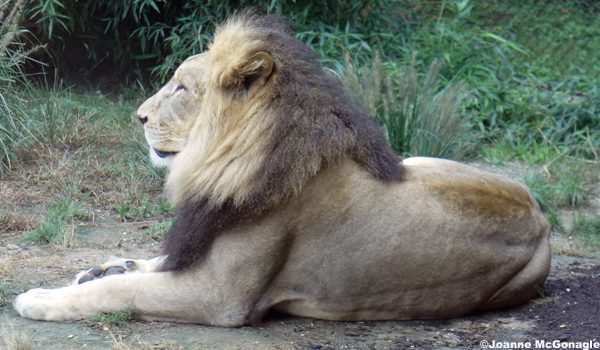
Recent acoustic research revealed patterns hidden within a lion’s roar. These patterns are so consistent and individual that machine-learning algorithms can tell lions apart with surprising accuracy.
Just like humans have unique voice prints, lions show differences in:
- Pitch
- Timing and rythem
- Harmonic structure
- How the roar builds and fades.
Researchers trained AI models on hundreds of recorded roars and found they could reliably match a roar to a specific African lion.
In other words, a roar isn’t just a roar- it’s an identity badge!
AI makes it possi ble: From Roars to “Audio Fingerprints”
The key to unlocking this potential is artificial intelligence. AI excels at detecting subtle patterns humans can’t see or hear.
Here is how it works.
- Acoustic recorders or camera traps with microphones collect roars.
- AI analyzes the sound waves, isolating key features unique to each individual lion.
- The system creates a “voice ID” for every lion.
- Future roars can be matched against this database, pinpointing which lion made the call, when and where.
Researchers envision a future where parks deploy a network of listening devices. As lions roar naturally during the night, AI software could map their movements in real time- no collars, no stress, no human interference.
Why this is a game changer for African lion conservation
A collar-free tracking system would offer multiple benefits.
Gentle on the Lions– No immobilization, no capture, no heavy equipment around the neck.
Cheaper and Easier- Audio sensors are low-cost and can cover massive territories.
More Data, More Often– Lions vocalize frequently, offering ongoing information without needing to recapture or adjust equipment.
Potential for Anti-Poaching Alerts- If a lion’s movement pattern suddenly changes-or goes silent- rangers could receive early warnings.
a New way to listen to the wild
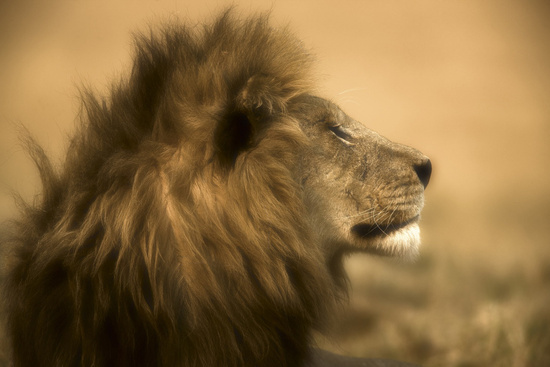
This research expands our appreciation of lions beyond their iconic presence. This breakthrough research reminds us that wildlife carries entire languages we are only beginning to decode.
By pairing instinctive animal behavior with cutting edge AI, conservationists may soon protect African lions more gently, more effectively, and with less intrusion than ever before.
Imagine a world where saving lions doesn’t require touching them- just listening.
New Hope for African lions
The roar of an African lion has always symbolized strength. Now, that roar may also symbolize hope. As AI gives scientists the ability to “hear” lions as individuals, we move one step closer to ensuring their survival in our world.
References
Wijers, M., Trethowan, P., Du Preez, B., Chamaillé-Jammes, S., Loveridge, A. J., Macdonald, D. W., & Markham, A. (2021). Vocal discrimination of African lions and its potential for collar-free tracking. Bioacoustics, 30(5), 575–593. https://doi.org/10.1080/09524622.2020.1829050