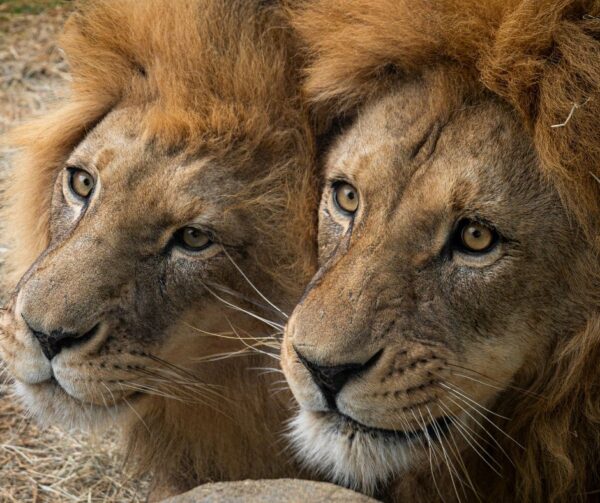
How Cattle Are pushing lions out of their habitat
African lions are losing ground. Kenya’s lions have long been a symbol of wild, open landscapes—roaming freely across savannas shaped by prey, seasons, and ancient migration routes.
But new research shows that something very different is now guiding where lions can live.
It isn’t climate.
It isn’t predators.
It’s cattle.
A new study published in the journal Biological Conservation, led by Niels Mogensen, a PhD student at the Department of Biology at Aarhus University, reveals that expanding livestock grazing is quietly but powerfully pushing lions out from their traditional habitats—even inside protected areas.
Lions Losing ground and space use in kenya
The research team studied lion movement and space use in Kenya, focusing on how lions respond to areas heavily used by cattle.
Using tracking data and landscape analysis, they compared:
- Areas with high livestock presence
- Areas dominated by wild prey and natural grazing
What they found was striking:
Lions consistently avoided areas with dense cattle use—even when those areas were otherwise suitable habitat.
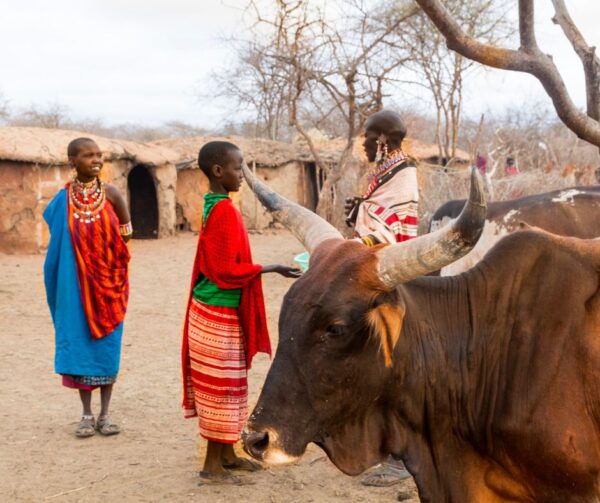
Why Cattle are such a big problem for lions
This isn’t just about food competition. The pressure comes from multiple overlapping factors:
1. Human Presence Follows Cattle
Where cattle go, people follow. Herding, guarding, fencing, and settlements all increase human activity—something lions instinctively avoid.
2. Increased Risk of Conflict
Lions that hunt near livestock face a much higher risk of:
- Retaliatory killings
- Poisoning
- Spearing
- Being removed by wildlife authorities
Even the presence of cattle signals danger to lions.
3. Habitat Fragmentation
As grazing spreads, lion habitat becomes:
- Smaller
- More fragmented
- Less connected
This makes it harder for lions to:
- Find mates
- Defend territories
- Raise cubs safely
All of this means African lions are losing ground.
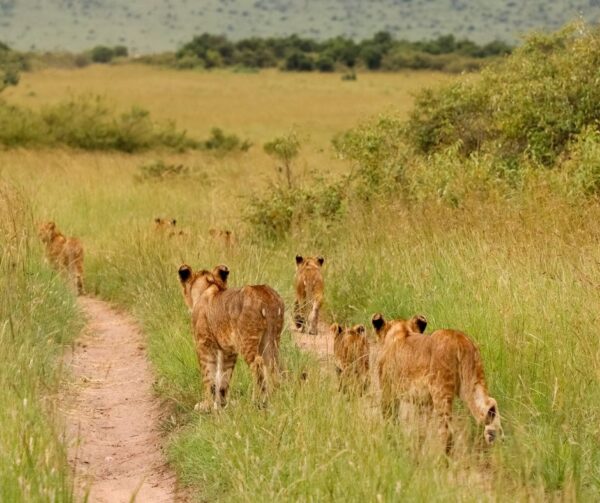
protected areas alone are no longer enough
One of the most concerning findings from the study is that protected areas alone are no longer enough.
Lions were shown to avoid parts of protected land if:
- Cattle grazing was common
- Human activity was frequent
This means that conservation areas on paper may not function as real refuges in practice.
why this matters for the future of lions
Lions already face steep population declines across Africa. This research highlights a critical and often overlooked driver:
Livestock expansion doesn’t just compete with lions—it reshapes their behavior and pushes them out of usable space.
If current trends continue, lions may be confined to:
- Smaller pockets of land
- Isolated reserves
- Areas with limited genetic diversity
All of which threaten long-term survival.
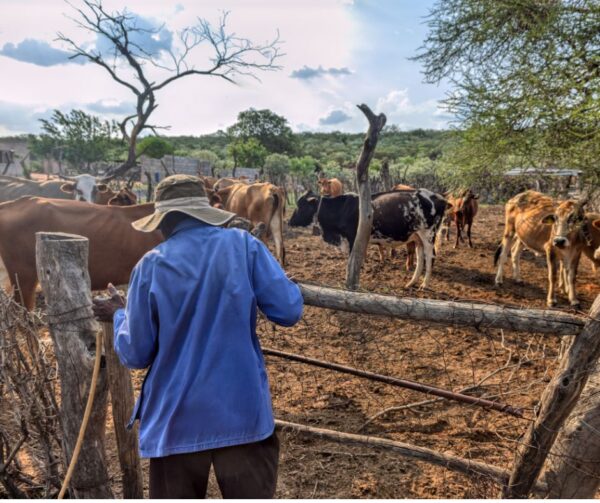
Hopeful takeaway: solutions do exist
The study doesn’t just highlight a problem—it helps point toward solutions:
- Better land-use planning that separates grazing zones from key wildlife corridors
- Community-based coexistence programs that reduce conflict
- Livestock management strategies that lower risk without harming livelihoods
- True buffer zones around protected areas
Understanding how lions respond to cattle is a crucial step toward protecting both wildlife and local communities.
Lions don’t disappear overnight.
They retreat quietly—step by step—as the landscape changes around them. African lions lose ground.
This research reminds us that conservation isn’t only about protecting animals, but about protecting the space they need to be wild.
This article discusses peer-reviewed scientific research for educational purposes. It is not intended to replace professional conservation or wildlife management guidance.