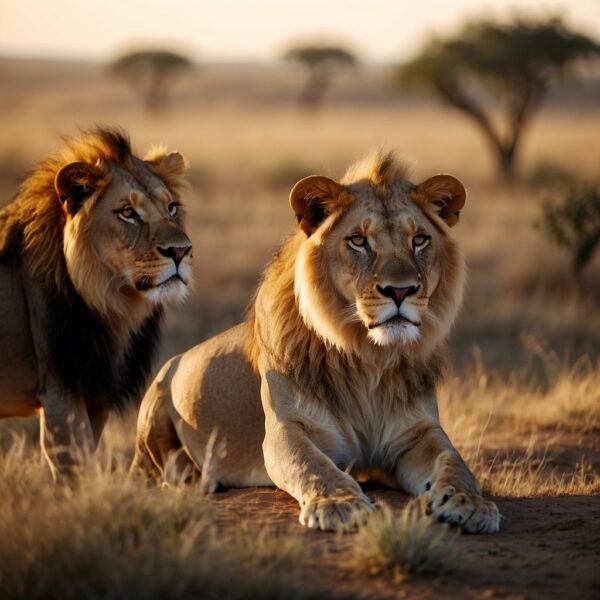
Statistics Reveal an Industrial Slaughter of wildlife
Can conservation by bullet be justified? South Africa is often praised as a global leader in wildlife conservation — a country synonymous with iconic species, protected reserves, and biodiversity tourism. But newly released professional hunting statistics tell a far more troubling story.
An investigation published by Daily Maverick on 21 January 2026 reveals that what is frequently marketed as “sustainable conservation” is, in reality, an industrial-scale system of wildlife extraction, driven by international demand and cloaked in conservation language.
The numbers are stark. And once seen, they are impossible to ignore.
nearly 300,000 animals killed-legally
Between 2016 and 2024, state-licensed professional hunters in South Africa reported the killing of nearly 300,000 wild animals by foreign hunting clients operating under legal permits.
These figures do not come from activists or leaked documents. They are drawn directly from official hunting registers submitted by the industry itself and archived by government authorities.
This is not emergency population control or traditional subsistence hunting. It is a commercial system built on volume, revenue, and repeat international clientele — a business model that treats wildlife as a renewable commodity.
a luxury for foreign clients
Proponents of trophy hunting often argue that it supports rural livelihoods and local conservation. But the data paints a different picture.
In 2024 alone:
- More than 7,750 foreign hunting clients were recorded
- Over 5,000 came from the United States and Canada
- Around 2,100 were from Europe
That means over 95% of trophy hunters came from wealthy regions in the Global North.
This is not a local survival practice. It is a luxury industry designed for affluent international consumers, with South Africa’s wildlife positioned as the product.
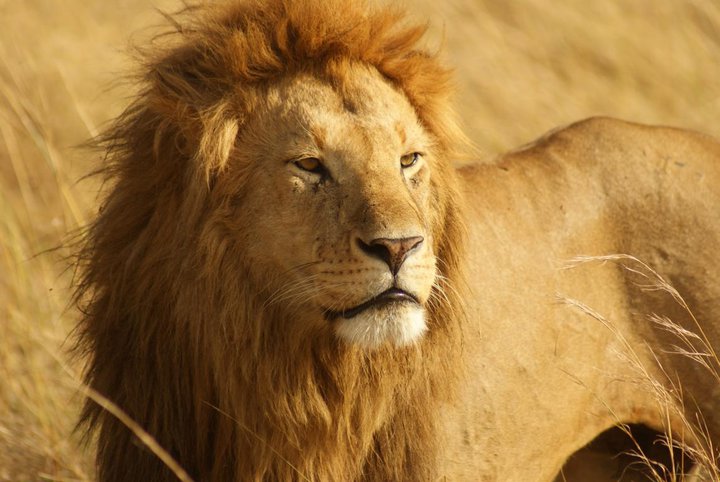
African Lions: Conservation icons, commercial targets
Few animals symbolize conservation more powerfully than the African lion. Yet hunting records show that from 2016 to 2024, approximately 3,600 lions were killed by international trophy hunters.
With trophy fees averaging around R250,000 ( about $15,580) per lion, this represents hundreds of millions of rand in revenue generated through lion deaths alone.
More troubling still, the official records do not distinguish between wild lions and captive-bred lions — animals bred specifically for hunting on private game farms.
This accounting loophole allows captive-bred lions to be counted as “wild” on paper, undermining any conservation claim tied to population protection or ecological integrity.
Elephants, Rhinos, and the price of a trophy hunting permit
Even species globally recognized as vulnerable or threatened appear regularly in South Africa’s trophy hunting data.
During the same period:
- Elephant hunts were marketed at R600,000 to over R1 million (about $62,329) per animal
- Rhino hunts fetched R1.5 million to R3 million (about $186,974) per individual
- More than 750 elephants and rhinos were killed under trophy-hunting permits
These killings are justified as “controlled” or “managed,” yet there is no clear evidence that such removals improve long-term population health or ecosystem resilience.
beyond the big five: A system of extraction
The scope of trophy hunting extends far beyond flagship species. Official records also include:
Nearly 3,000 chacma baboons
Around 2,000 jackals
Over 350 honey badgers
Almost 300 brown hyenas
Otters, porcupines, squirrels, and other smaller mammals
These animals rarely feature in promotional narratives about conservation, yet their inclusion highlights how deeply commercial hunting logic has penetrated South Africa’s wildlife management system.
Does trophy hunting really fund conservation?
Supporters often argue that trophy hunting revenues fund conservation and incentivize wildlife tolerance. But the statistics offer no transparent link between conservation by bullet as in trophyhunting income and:
- Improved wild populations
- Habitat protection
- Genetic diversity
- Community-led conservation outcomes
What the data does reveal is a system where conservation language is used to legitimize sustained killing, while financial benefits flow primarily through private operators and elite international markets.
When conservation depends on killing
If conservation requires the industrial-scale killing of wildlife year after year, we must ask hard questions:
- Are we conserving animals — or commodifying them?
- Is sustainability being used as branding rather than biology?
- How much ethical compromise is acceptable in the name of revenue?
South Africa’s hunting statistics do not offer easy answers. But they do offer clarity.
And clarity demands accountability.
Final Thought on conservation by bullet
True conservation protects ecosystems, genetic integrity, and the intrinsic value of wildlife — not just the price of a permit. When conservation becomes indistinguishable from commerce, it may be time to rethink the model entirely.