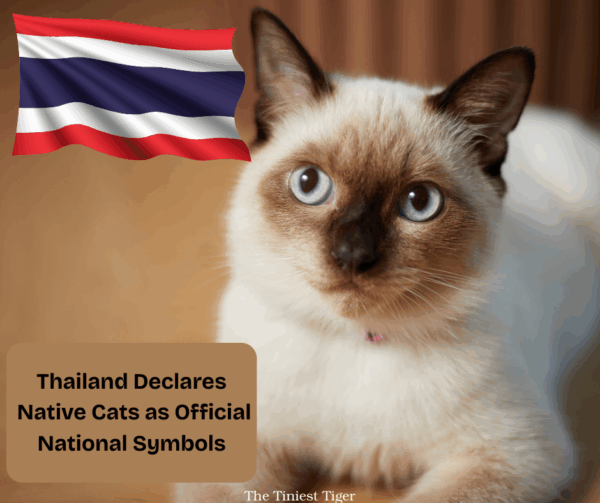
MEET THE ROYAL BREEDS OF THAILAND
In a historic and heart-warming move, Thailand has officially recognized native Thai cat breeds as national symbols. This decision, approved by the Thai Cabinet on November 18, 2025, celebrates the country’s deep cultural connection to its feline companions and highlights Thailand’s commitment to preserving these cherished breeds.
For cat lovers around the world, this moment marks a beautiful acknowledgment of how profoundly cats have shaped Thailand’s identity, mythology, literature, and daily life for centuries.
A Landmark decision for thailand’s feline heritage
The Thai government approved a proposal to designate five native Thai cat breeds as national pet symbols or national animal identity. While this category is separate from traditional national emblems (like the elephant or national flag), the recognition is official and meaningful, elevating these cats to a status that honors their unique roles in Thai culture.
The five breeds declared national pet symbols are:
Suphalak (The Copper Cat)
A rare and ancient breed, often compared to Burmese cats. The Suphalak is prized for their deep copper-toned coat and was once believed to bring wealth and protection. Historical manuscripts describe them as a cat fit for royalty.
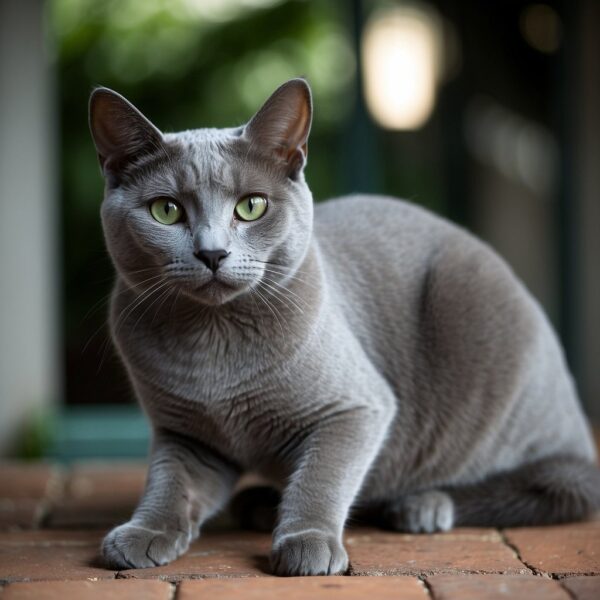
Korat (The Silver-Blue Good Luck Cat)
Also known as the Si-Sawaat, the Korat is famous for their shimmering silver-blue fur and luminous heart-shaped face. Traditionally gifted to brides as a symbol of good fortune and fertility.
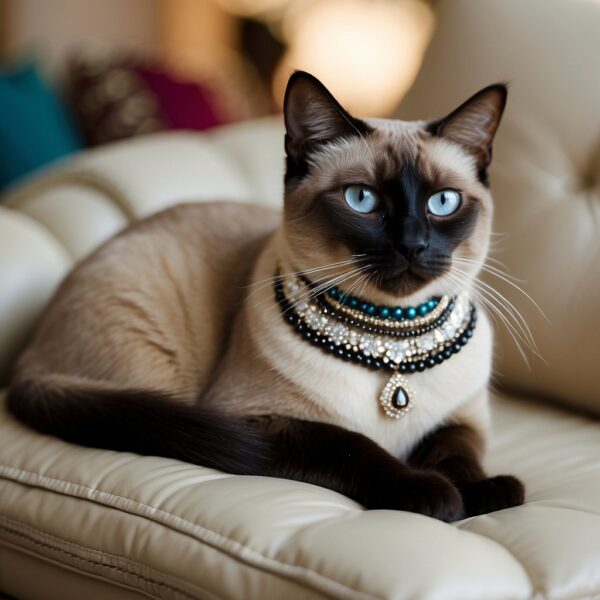
Wichien Maat ( The Original Siamese)
These are royal cats depicted in the ancient Tamra Maew (Cat Poems). Their striking points and blue almond eyes inspired the modern Siamese, though the Wichien Maat remains genetically distinct.
Kornja (The Ebony Cat)
Elegant and dramatic, the Kornja has a smooth jet-black coat and golden eyes. Considered a spiritual guardian, they are associated with luck and protection from misfortune.
Khao Manee ( The Jewel-Eyed Cat)
Known as the “White Gem”, this stunning white cat often has odd-colored eyes- blue and gold. For centuries, the Khao Manee lived exclusively within royal palaces.
Why Thai Cats Declared National Symbols matters
Recognizing these cats as national pet symbols has several important impacts.
Cultural Preservation
Thailand has a long history of celebrating cats in literature, superstition, and ceremonial life. This designation helps ensure that heritage is honored and protected.
Breed Conservation
Native Thai cats are genetically unique. Some are rare. The new statues will encourage conservation programs, responsible breeding, and scientific study.
Economic Opportunities
The move supports tourism, cultural education, local breeders, and pet-related industries, giving Thailand another way to share its rich heritage with the world.
Recognition for Companion Animals
The decision sets an inspiring precedent: pets can become national symbols too- showing how deeply animals shape our identity and emotional lives.
A legacy written in whiskers
Thailand’s ancient Tamra Maew manuscripts, some dating back over 300 years, describe these cats not just as pets but as spiritual guardians, good luck charms, and creatures of royal significance. With this new recognition, Thailand honors that legacy and ensures future generations understand just how special these cats truly are.
For those of us who adore cats, this moment is a reminder of something we already know:
Cats are not just companions, they are cultural treasures.