Posts Tagged ‘Endangered Species Act’
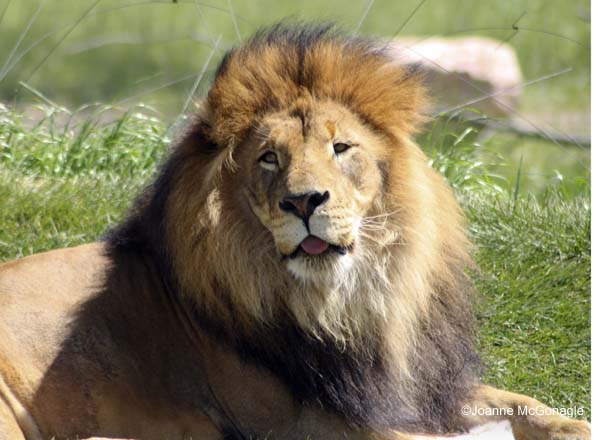
African Lions Need Your Signature Now!
The African Lion needs our help.
Hope for Lions through Protection
Some of you might remember when we talked about The African Lion Hope through Protection last year. If so, you might remember that on March 1, 2011, an alliance of wildlife protection and conservation groups petitioned the Secretary of the Interior to list the African lion as an endangered subspecies pursuant to the United States Endangered Species Act (ESA). These groups included Born Free USA and Born Free Foundation, Defenders of Wildlife, The Fund for Animals, Humane Society International and The Humane Society of the United States and the International Fund for Animal Welfare.
The USA is the world’s largest importer of sport-hunted African Lion trophies
The United States is the world’s largest importer of African lion parts, for hunting trophies and for commercial use. From 1999 and 2008, 7090 lions from a wild source were traded internationally for recreational hunting purposes. Most of these lions, 64% of the total, were imported to the United States. Even though there has been a continuous population and range decline for the lion, the United States lion trophy imports have increased. Imports in 2008 were larger than any other year in the decade and twice the 1999 number. The Endangered Species Listing would make a significant difference to crackdown the trophy trade. A listing under the ESA would put strict controls on the import of lion “trophies” by Americans, and would ban the commercial trade of lion parts in the United States.
African Lions are the ONLY big cat not protected under the U.S. Endangered Species Act!
On November 26, 2012, the U.S. government issued a favorable finding that a listing may be warranted, but before making a final decision, they’ve allowed for a 60 day public comment period. They want to hear from you. African lions are the only big cat not protected under the U.S. Endangered Species Act.
Take Action! Please add your signature and comment in favor of the ESA listing for the African Lion now!
CLICK HERE TO ADD YOUR NAME AND COMMENT!
Read the rest of this entry »
Keep Wildlife in the Wild Week June 20-24
Born Free USA’s third annual Keep Wildlife in the Wild Week, June 20-24 was started with the goal of taking care of wild animals not just around the world but in your own back yards! Adam Roberts, executive vice president of Born Free USA, says the goal of Keep Wildlife in the Wild Week, is to get people to stop, think and take action.
Small steps can lead up to making a big difference. In my backyard, you might already know that we try our best to take care of Bossy Backyard Blue Jay and all of the birds that gather and live around our habitat. We provide food and water, and we have trees and shrubs for shelter. We are also super lucky to have squirrels, rabbits, opossum, white tail deer, the occasional raccoon and last winter there might even have been a bobcat track through our yard. We live in an area surrounded by neighbors that love wildlife as much as we do.
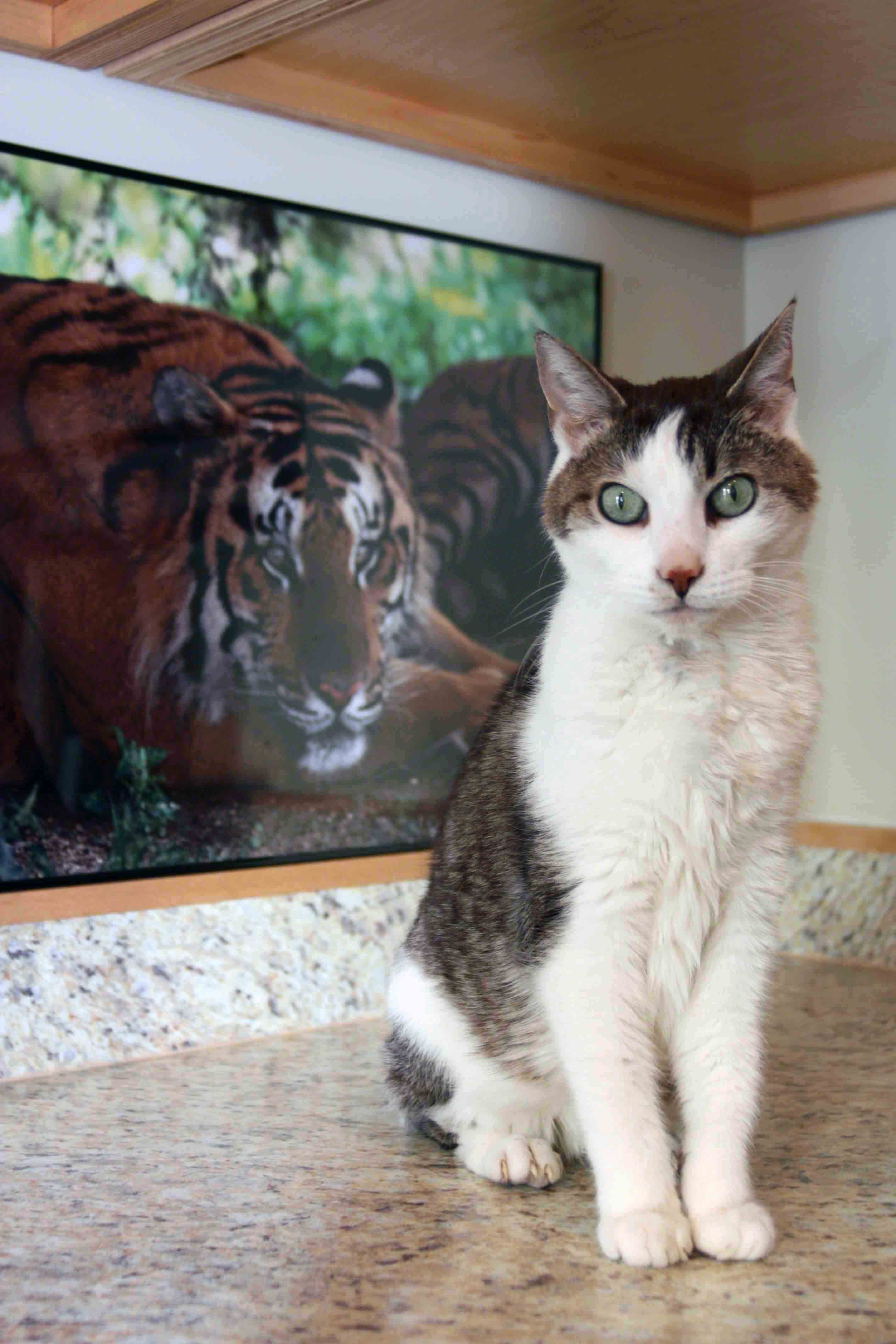
What isn’t so lucky is the wild tiger. There are more wild tigers in captivity in the United States than there are in the wild. Occupying a mere 6% of their original territory, the tiger faces the possibility of following the pug marks of the ghosts of the Balinese, Caspian and Javan subspecies into extinction. The South China subspecies is already extinct in the wild. The remaining, Amur (Siberian), Bengal, Indo-Chinese (including Malayan), and Sumatran subspecies only have an estimated 1000 breeding females in total.
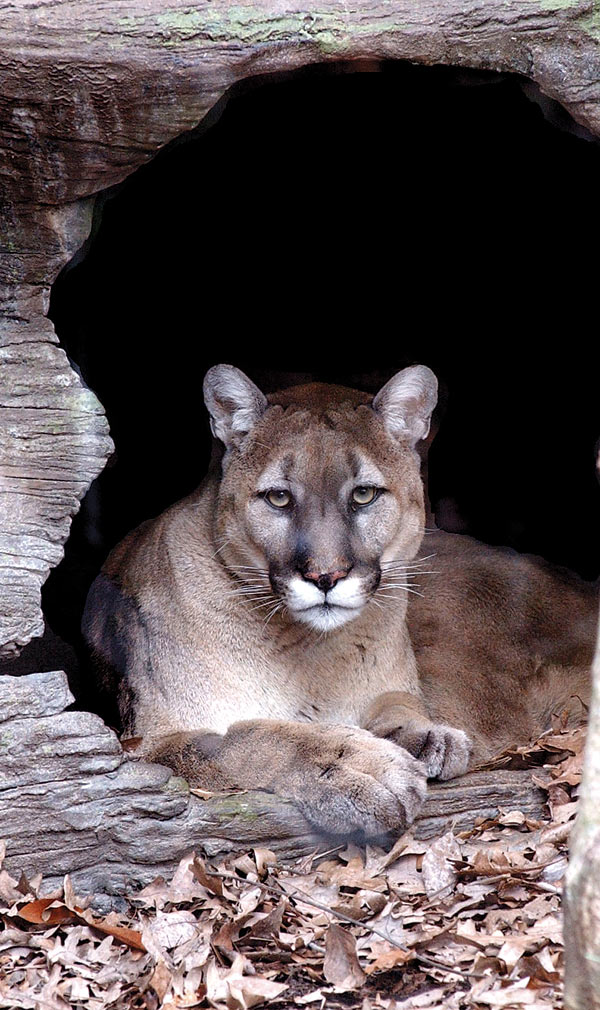
Cat Obituary. Farewell Eastern Cougar
The Eastern Cougar, a subspecies of one of North America’s largest cats, was declared extinct by the United States Fish and Wildlife Service (USFWS) on March 2, 2011, after a very long and protracted review process. The USFWS gathered information on the elusive cat subspecies from both scientists and government authorities in the 21 states where the eastern cougar, also known as the eastern puma once lived. The private Eastern Cougar Foundation spent a decade looking for evidence and after finding none, changed its name to the Cougar Rewilding Foundation.