Why Individual Animals Matter
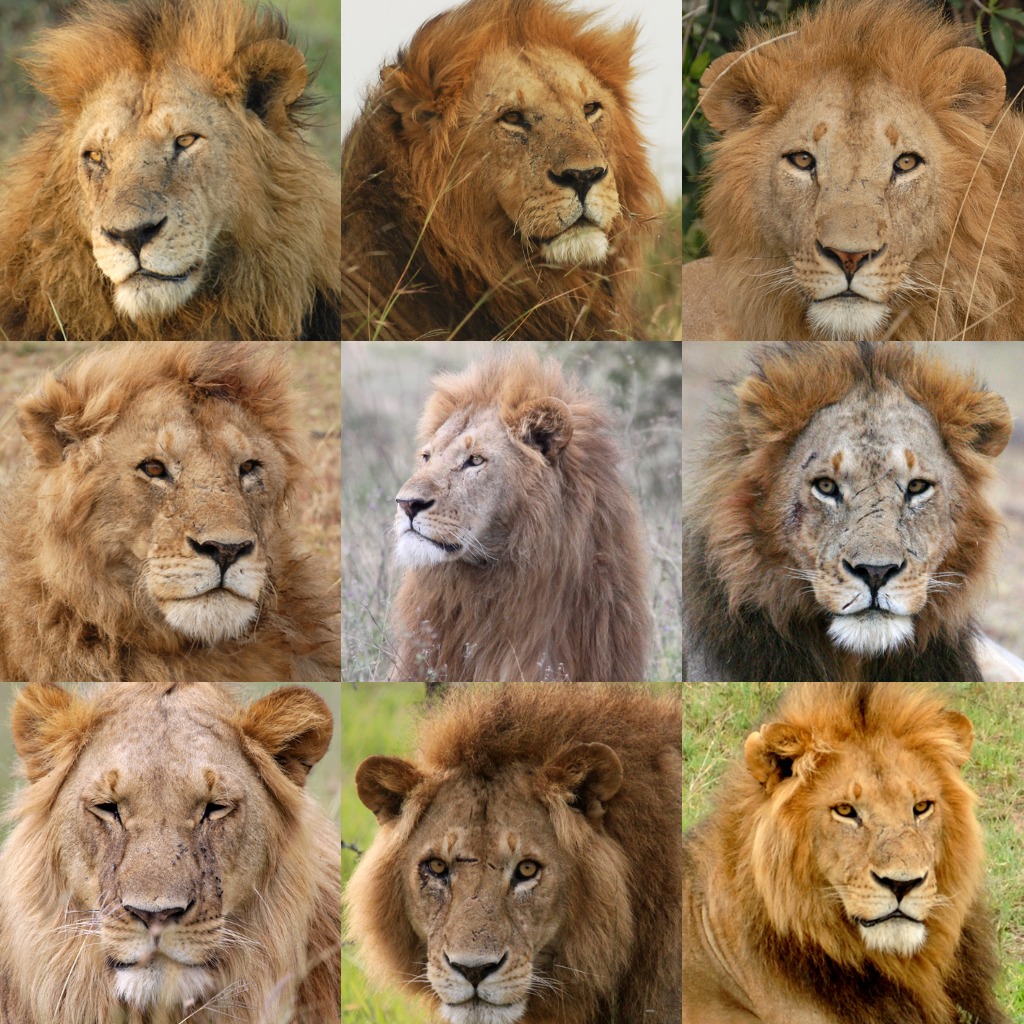
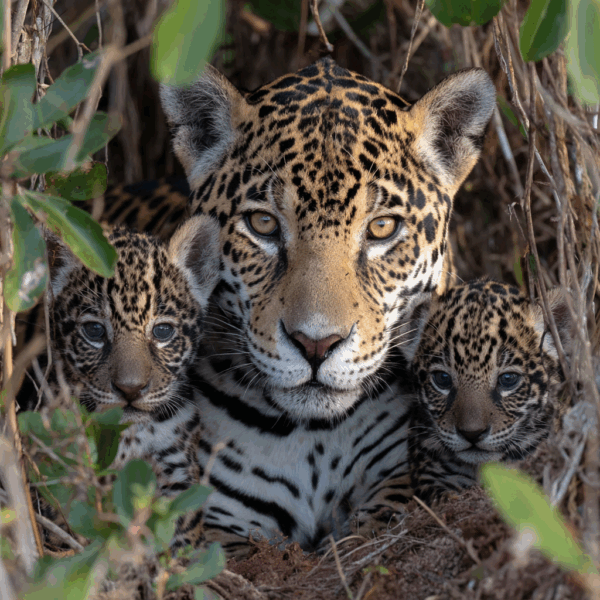
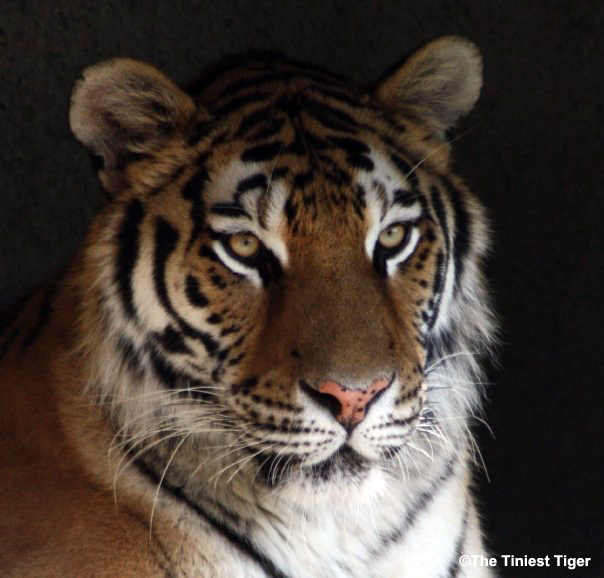
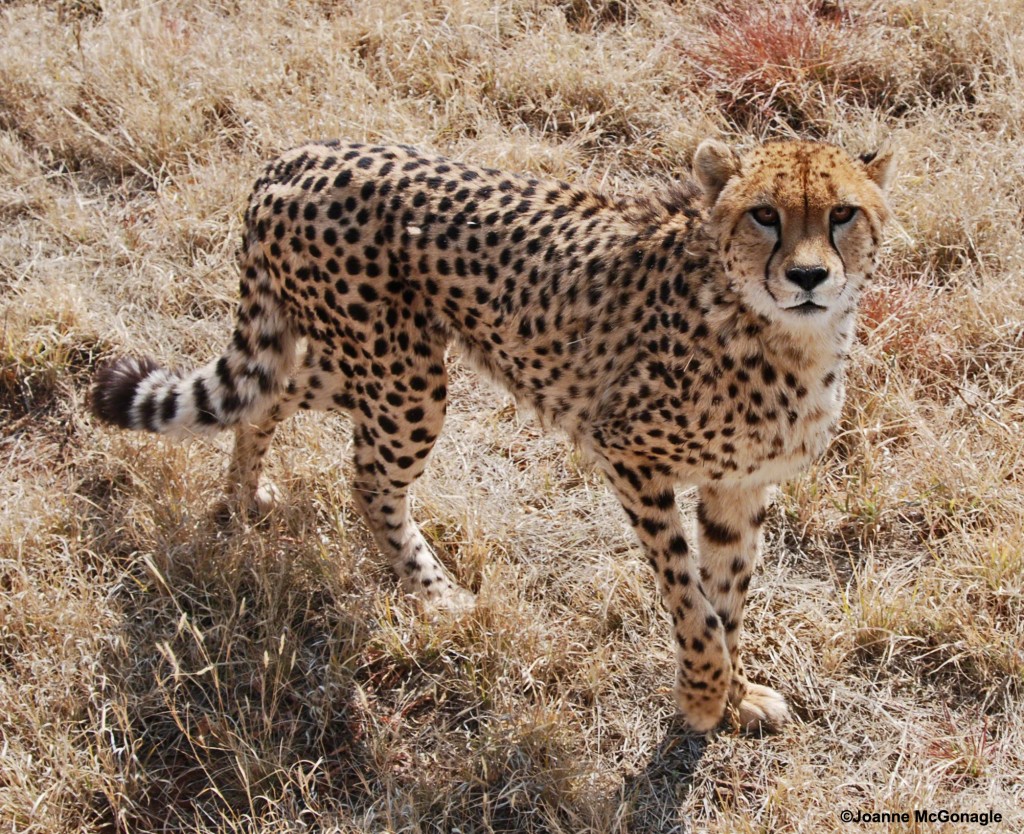
Conservation statistics tell us whether a population is rising or falling, but numbers alone rarely inspire people to care. It is often one face—a lion looking into a camera, a tiger known by name, or a mother protecting her cubs—that transforms an abstract species into a living individual. This is the power of one face: the recognition that every population is composed of animals with their own experiences, relationships and intrinsic value.
My own zoology work focused on the importance of recognizing each big cat as an individual. Conservation requires population data, but it also requires us to see the animal behind the number. Every tiger, lion, leopard and cheetah has an individual life that matters—not only because that animal contributes to the survival of a species, but because the animal is a sentient being in its own right.
Wildlife protection laws are often measured by numbers: how many species remain, whether populations are increasing, and how much habitat has been preserved.
But behind every population statistic is an individual animal—one capable of experiencing pain, fear, stress and, increasingly evidence suggests, a range of positive emotions.
A new legal analysis argues that wildlife laws must do more than prevent species from disappearing. They should also recognize wild animals as sentient individuals whose well-being matters.
Published in the Journal of International Wildlife Law & Policy, the study examines wildlife protection laws in the European Union and the United Kingdom. Its authors, environmental lawyers Dr. Caroline Cox and Dr. Meganne Natali of the University of Portsmouth, conclude that both systems contain serious gaps between their conservation promises and what they deliver in practice.
Although the research focuses on Europe and the United Kingdom, its central message has implications for wildlife policy around the world: conservation and animal welfare should no longer be treated as completely separate concerns.
Wildlife Protected as Populations, Not Individuals
Traditional conservation laws tend to focus on species, populations, habitats and ecosystems. Their primary objective is usually to prevent extinction and preserve biodiversity.
This approach has accomplished important conservation victories. Yet it can also reduce animals to numbers within a population.
An animal may receive protection because its species is rare, ecologically useful or included on an official list. A member of a common or politically unpopular species may receive little protection at all—even though that animal is just as capable of suffering.
Cox and Natali argue that wildlife laws continue to be shaped by an anthropocentric, or human-centered, view of nature. Animals are frequently protected because they provide ecosystem services, benefit agriculture, support tourism or contribute to landscapes that people value.
Far less consideration is given to the interests of the animals themselves.
The authors believe wildlife law should recognize that wild animals possess inherent value beyond their usefulness to humans.
Recognition of Sentience Has Not Reached Wildlife Law
Animal sentience is increasingly recognized in scientific research and public policy. Sentience refers to an animal’s capacity to experience feelings and sensations, including pain, fear, pleasure and distress.
The European Union recognizes animal sentience within its primary law. The United Kingdom also adopted the Animal Welfare (Sentience) Act in 2022.
However, according to the study, this recognition has not been meaningfully incorporated into biodiversity and wildlife legislation.
In other words, governments may formally acknowledge that animals are sentient while continuing to manage wildlife primarily as populations, resources or ecological assets.
This creates an ethical inconsistency. Domestic and farmed animals may receive at least some legal consideration as individuals, while wild animals are often protected only when their species or habitat meets certain conservation criteria.
The researchers argue that recognizing sentience within wildlife law would bring greater ethical continuity to environmental policy.
Protection Remains Selective and Uneven
The European Union has some of the most extensive wildlife legislation in the world, including the Habitats Directive and Birds Directive. Nevertheless, the study describes the system as fragmented, selective and heavily dependent on official species lists.
Wildlife that appears in the directives’ annexes may receive legal protection. Species outside those lists may receive little or none.
The results suggest that having laws on paper does not necessarily translate into healthy wildlife and habitats. Only 16 percent of habitats assessed under the EU Habitats Directive were reported to be in favorable condition. More than half of the bird species assessed between 2013 and 2018 had an unfavorable conservation status.
The situation in the United Kingdom is also troubling. Its principal wildlife law, the Wildlife and Countryside Act 1981, is now more than four decades old.
Nearly one in six of the more than 10,000 UK species surveyed is at risk of extinction, while only 14 percent of important wildlife habitats are considered to be in good condition.
The researchers also point to weak enforcement and low conviction rates for wildlife crimes. Laws may sound ambitious, but without adequate monitoring, investigation and prosecution, protection can become largely symbolic.
Exceptions Can Weaken Wildlife Protections
Another concern is the widespread use of derogations—legal exceptions that allow governments to depart from normal wildlife protections under certain circumstances.
Exceptions may sometimes be necessary. However, the authors argue that broad provisions based on “overriding public interest” can make wildlife protection vulnerable to political pressure, commercial interests and changing public attitudes.
A species may be strongly protected while its recovery is politically popular, then lose that protection when conflicts arise with agriculture, hunting or development.
The controversy surrounding wolves in Europe illustrates this problem.
After decades of persecution, wolf populations have recovered in parts of Europe. Their return is widely considered a significant conservation achievement. However, conflicts with livestock owners and hunters have led to demands for greater lethal control.
In 2024, European governments supported reducing the wolf’s status from “strictly protected” to “protected,” allowing countries greater flexibility to kill wolves.
The paper argues that the decision demonstrates how fragile wildlife safeguards can become when a species is considered inconvenient. The authors also note that coexistence measures—such as livestock guardian animals, secure fencing and improved husbandry—can often protect livestock more effectively than widespread killing.
Conservation success should not become the justification for renewed persecution.
Conservation and Animal Welfare Are Connected
Conservation and animal welfare have historically developed as separate fields.
Conservation typically asks whether a species or ecosystem will survive. Animal welfare asks what an individual animal experiences.
At times, these priorities may appear to conflict. A wildlife management program might protect a vulnerable native species while causing suffering to individual animals belonging to another species. Population control, relocation, captivity, hunting and lethal removal may all be defended as conservation measures without sufficiently examining their effects on individual animals.
The new study does not suggest abandoning population-level conservation. Nor does recognizing sentience mean that every natural hardship experienced by wildlife can or should be prevented.
Instead, it calls for decision-makers to consider both ecological outcomes and animal well-being.
A truly effective wildlife policy should ask several questions:
Will this action protect biodiversity?
Is it supported by reliable scientific evidence?
Will it cause pain, fear, family disruption or prolonged distress?
Are less harmful alternatives available?
Can people coexist with wildlife instead of immediately resorting to killing or removal?
These questions do not weaken conservation. They encourage more thoughtful, humane and scientifically informed conservation decisions.
What Stronger Wildlife Laws Could Look Like
Cox and Natali identify several priorities for reform.
First, legal exceptions should be narrowed and subjected to stronger scientific review. Wildlife protections should not be easily overturned by political pressure or poorly documented claims of conflict.
Second, enforcement must improve. Governments need sufficient resources for monitoring wildlife populations, investigating crimes and prosecuting violations.
Third, wildlife conservation should be better integrated across agriculture, transportation, development, climate and land-use policies. Protecting animals in one law accomplishes little when other government policies continue to destroy or fragment their habitats.
The researchers also advocate greater cross-border cooperation. Wildlife does not recognize political boundaries, and many species migrate or occupy ranges extending across several countries.
Finally, conservation policy should prioritize coexistence over conflict-based management. This means investing in preventative measures, community education, habitat connectivity and practical strategies that allow humans and wildlife to share landscapes.
Why Individual Animals Matter
It can be tempting to think of wildlife only in collective terms: a herd, a colony, a population or a species.
But species do not experience suffering. Individual animals do.
It is the individual wolf caught in a trap, the bird whose nesting site is destroyed, the mother separated from her young and the animal displaced by development who experiences the consequences of human decisions.
Protecting a population while disregarding avoidable suffering is an incomplete form of conservation.
Individual well-being can also affect conservation outcomes. Animals experiencing severe stress, injury, food deprivation or repeated disturbance may be less likely to reproduce, successfully raise their young or survive environmental changes. Healthy populations are composed of healthy individuals.
Conservation and compassion are not opposing values. In many cases, they reinforce one another.
A More Compassionate Vision of Conservation
The study’s most important contribution may be its challenge to how wildlife law defines success.
Preventing extinction remains essential. Protecting habitats remains essential. Restoring ecosystems remains essential.
But these goals should not require us to ignore the lives and experiences of the animals within those ecosystems.
Modern science has transformed our understanding of animal intelligence, emotion, social bonds and sentience. Wildlife laws should evolve alongside that knowledge.
As Cox and Natali conclude, the strength of environmental law should be measured not only by its ability to preserve species, but also by whether it governs our shared landscapes with justice, empathy and foresight.
Wild animals are more than representatives of their species. They are living individuals experiencing the world around them.
Our laws should recognize them that way.
Sources
Cox, Caroline, and Meganne Natali. “Protecting Wildlife in Europe: A Comprehensive Analysis of Legislative Frameworks and Their Shortcomings.” Journal of International Wildlife Law & Policy, 2026.
Taylor & Francis. “For Biodiversity to Thrive Across Europe, Laws Should Treat Wildlife as Individuals Capable of Suffering, Experts Argue.” July 16, 2026.